- Version
- Download 0
- File Size 626.32 KB
- File Count 1
- Create Date 25 August, 2026
- Last Updated 25 August, 2026
Strengthening Regulatory Compliance in Malawi's Renewable Energy Sector
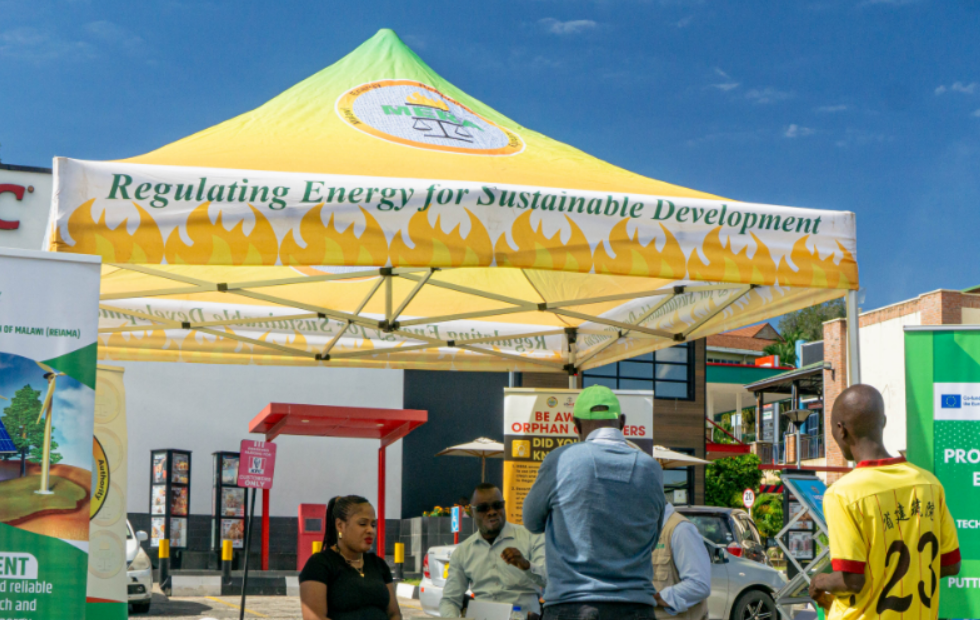
Regulating Energy for Sustainable Development
Malawi's renewable energy sector is growing rapidly, creating opportunities for businesses, consumers and investors. Effective regulation is essential to ensure that renewable energy products and services meet required safety, quality and performance standards.
The Electricity and Renewable Energy Directorate is strengthening regulatory compliance and safeguarding the renewable energy industry through licensing, standards enforcement, market surveillance and collaboration with key institutions.
Why regulatory compliance matters
Regulatory compliance helps to:
- Protect consumers from substandard renewable energy products.
- Promote safe installation and use of renewable energy technologies.
- Ensure businesses operate within the applicable legal and regulatory framework.
- Improve the quality and reliability of renewable energy products and services.
- Create a fairer and more accountable renewable energy market.
Under the Energy Regulation By-Laws, businesses involved in importing, selling, installing or maintaining renewable energy technologies must hold the appropriate licence issued by the Authority. Licensed operators must also comply with approved standards and codes of practice for renewable energy technologies.
Licensing Requirements
Businesses involved in renewable energy technology importation and sales should ensure that they have the appropriate MERA licence.
For an application for an Importation and Selling Licence, applicants are required to:
- Complete the licence application form.
- Indicate “Importation and Selling” as the purpose of the licence under Section B.
- Have a competent person licensed in an applicable renewable energy category, including E, E1, E2 or F.
- Provide evidence establishing the competent person's connection to the company, including:
- Employment contract or offer letter
- Confirmation letter following probation
- Three months' payslips
- Ensure the company owner is present during the assessment interview.
[DOWNLOAD LICENCE APPLICATION FORM] Link:
Renewable Energy Technologies- Licence Application
Standards & Quality Assurance
The Malawi Bureau of Standards (MBS) plays an important role in developing and enforcing standards for renewable energy products.
Renewable energy standards are developed under MBS Technical Committee 75 – Solar and Wind Energy. MBS quality assurance activities include inspections, market surveys, testing and certification.
Quality assurance services include:
- Inspection services
- Certification services
- Product and service certification
- Market surveillance
- Testing
- Import quality monitoring
These measures are intended to protect consumers from unfair trade practices relating to product quality, quantity, presentation and labelling.
Market Surveillance & Enforcement
A joint market surveillance exercise conducted in Blantyre, Lilongwe and Mzuzu found significant compliance gaps. According to the presentation, 93% of inspected shops were operating without MERA importation and selling licences, while substandard products, including batteries and solar panels, were also identified.
MERA, MBS and MRA are working together through an enforcement framework designed to strengthen certification, regulation and market surveillance of renewable energy technologies in Malawi.
Important compliance dates
31 August 2026
Deadline for traders to regularise their operations.
1 September 2026
Enforcement is scheduled to commence.
Non-compliant businesses may face criminal charges, administrative fines, seizure of products and prosecution.
Administrative Penalties
Businesses and installers should be aware that non-compliance can result in administrative monetary penalties.
| Non-compliance | Maximum penalty |
|---|---|
| Failure to submit annual report on installed systems | MK100,000 |
| False certification of works | MK100,000 |
| Failure to comply with prescribed installation standards | MK500,000 |
| Importation or sale of RE products not complying with Malawi RE standards | MK5 million |
| Failure to provide warranties/after-sales support | MK2 million |
| Operating with an expired licence/permit | MK10 million |
These penalties are set out in the presentation's Schedule of Administrative Monetary Penalties.
Repeated or continued non-compliance can result in increased penalties and further sanctions, including suspension or revocation of a licence.
What Businesses Should Do
1. Check your licence
Confirm that your business holds the appropriate and valid MERA licence for the activities you undertake.
2. Verify your products
Ensure renewable energy products comply with applicable Malawi standards and quality requirements.
3. Maintain qualified personnel
Ensure the appropriate competent personnel are licensed and properly connected to the business.
4. Keep your documentation updated
Maintain employment records, licences, certifications and other supporting documentation required during assessments.
5. Comply with inspection requirements
Cooperate with market surveillance, inspection, testing and certification processes.
6. Renew licences on time
Avoid operating with an expired licence or permit, which can attract significant penalties.
Regulatory Developments
The sector's regulatory framework continues to evolve. Current developments highlighted in the document include:
E-Mobility
An E-Mobility Regulatory Framework for Charging Infrastructure has been developed and approved by the MERA Board and is scheduled for launch by the Ministry of Energy.
Mini-Grids
The 2020 Regulatory Framework for Mini-Grid is undergoing review.
Biogas
A regulatory framework for the biogas sub-sector is planned for development in the current fiscal year.
Net Metering
Net Metering Rules have been developed and approved by the MERA Board and are scheduled for launch by the Ministry of Energy. The pilot programme screened 55 systems, of which 34 were considered eligible, with a potential contribution of approximately 3.8 MW.
Collaboration & Industry Engagement
Regulatory compliance is being strengthened through collaboration between MERA, MBS, MRA and industry stakeholders. Planned activities include regular joint market surveillance, quarterly reviews of surveillance findings and continued engagement on the development of a Product Registration System.
This provides an opportunity for industry stakeholders to work collaboratively with regulators to improve product quality, consumer protection and compliance across Malawi's renewable energy sector.